Vape Flavor Ingredients
جدول المحتويات
ToggleAn Introduction to the World of Vape Flavors
Vaping comes with a huge range of flavors, and which one you pick comes down to your own taste. At some point you have probably wondered what a flavor is actually made of and which substances go into it. This guide walks through exactly that, along with the alternatives available and the manufacturing details most people never hear about.
What Vape Flavors Are Made Of
Flavors are substances extracted from plants, or supplied as a raw material of animal origin. They go through a long series of physical processes, enzyme separation and microbiological treatment until they become a liquid flavor that is fit for human use and compliant with health, safety and food standards.
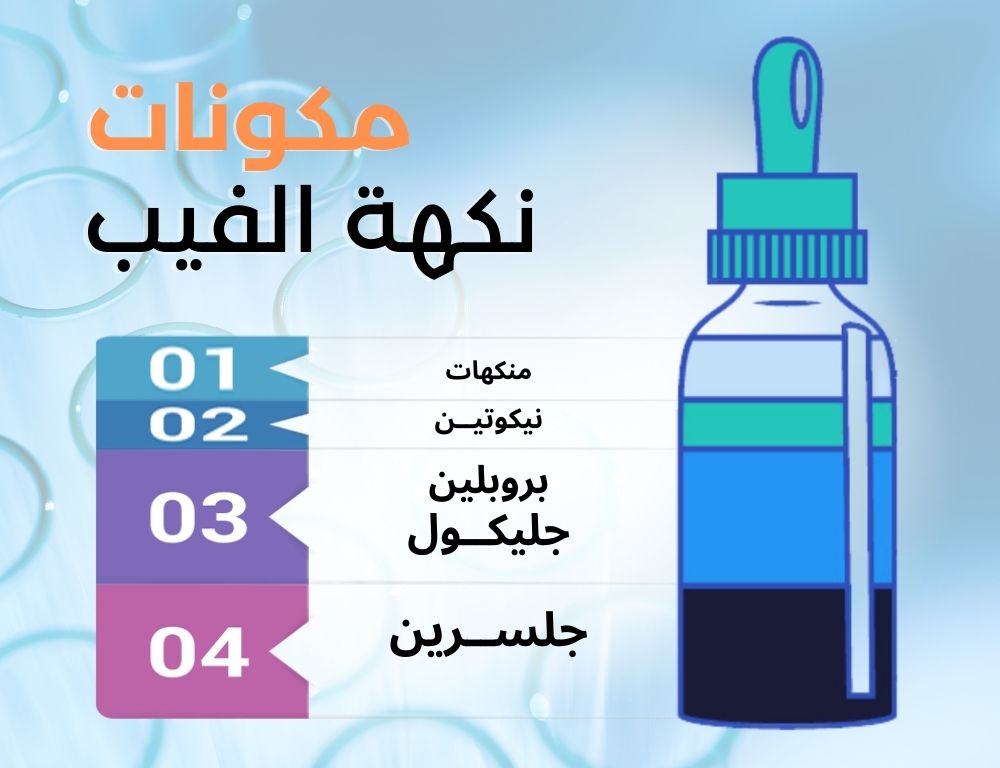
Below are the artificial and natural food-grade ingredients that go into the flavors used in vapes, e-cigarettes and disposables:
- Propylene Glycol (PG): a compound that is both organic and synthetic. It has a mildly sweet taste, contains a hydroxyl group alongside other solvents, and is widely used in artificial food flavorings.
- Vegetable Glycerin (VG): commonly known as glycerol or glycerin. It also carries a sweet taste, but it is odorless and noticeably thicker and more viscous than PG.
- Nicotine: an organic compound with an alkaline base — the same substance found in the tobacco of traditional cigarettes. We cover it in detail in what is nicotine.
- Flavorings: the concentrates that give each flavor its distinctive taste.
A large body of studies and research has concluded that vape vapor is less harmful to the individual smoker than the smoke of ordinary cigarettes. Even so, you should always know the nicotine strength of the flavor you are buying, and we consistently recommend avoiding the highest nicotine levels.
How Flavors Work in the Human Body
The natural flavors a person tastes travel to the trigeminal nerve, which then transmits nerve signals carrying the flavor type and its distinctive taste to the mouth, tongue and throat, where those organs recognize it before it is stored in memory. They do more than that: the same organs also register the temperature of the flavor, whether it is warm or cool.
Flavorings in Vape and in Food
The flavorings that go into food are additives we introduce to bring a taste forward. They fall into two groups: natural flavors obtained from fruits, vegetables and herbs, and artificial flavors produced by manufacturing and blending several ingredients in set chemical proportions.
Flavor enhancers are added to products as varied as jam, packaged desserts, cheese, yogurt, sauces and chicken stock. Almost nothing is free of them — packaged spices have enhancers added too, harissa and black pepper especially, and even salt counts as an enhancer.
What Flavors Are in Chemistry, and How They Work
From a chemistry lab's point of view, a flavor is a set of tastes perceived by the tongue or distinguished by the sense of smell. The difficulty in producing artificial flavors that rival, let alone surpass, natural ones lies in the complications chemists run into: the natural compositions are extraordinarily complex. The result is a manufactured flavor that comes close in taste but is never truly identical to the natural one.
How E-Cigarette Flavors Affect Smokers
Recent studies suggest that the flavors added to vapes, e-cigarettes and shisha may be one of the factors that help people quit ordinary smoking, which carries an unpleasant smell that few people actually enjoy — unlike an appealing flavor.
In the same context, it is worth noting that the number of teenagers vaping keeps rising, which confirms that flavors attract these groups and stop them from turning to ordinary cigarettes. Flavors remain less toxic and less dangerous than ordinary tobacco. But concerns have grown about how appealing these flavors are to children as well, gum and candy flavors in particular, and about trying new flavors in the name of experimentation. That is why we must all abide by the laws of the State of Kuwait and never sell or supply these products to anyone under twenty-one years of age.