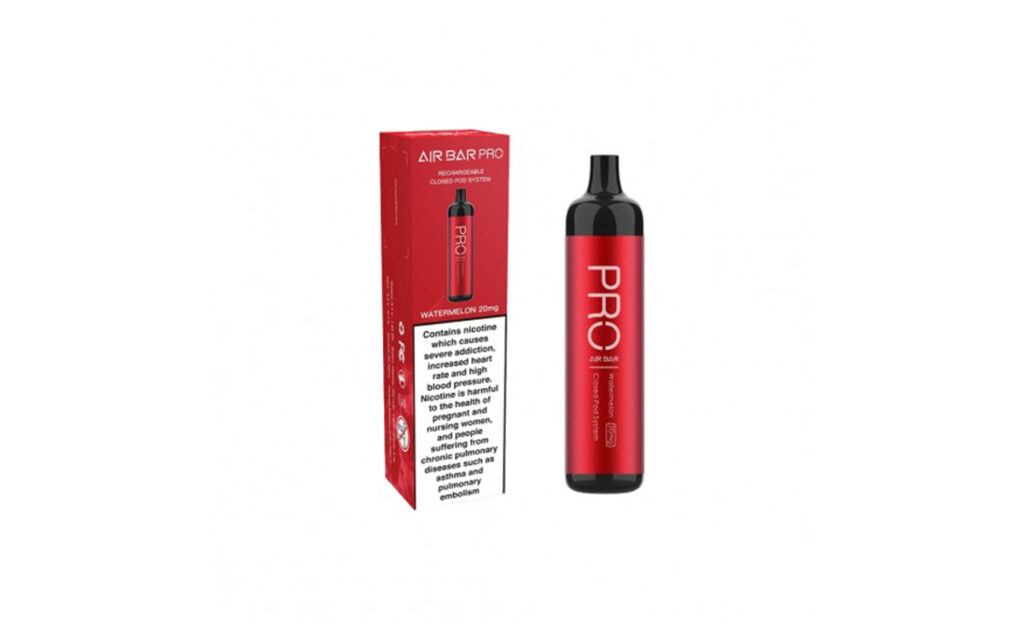
Vape Flavor Ingredients
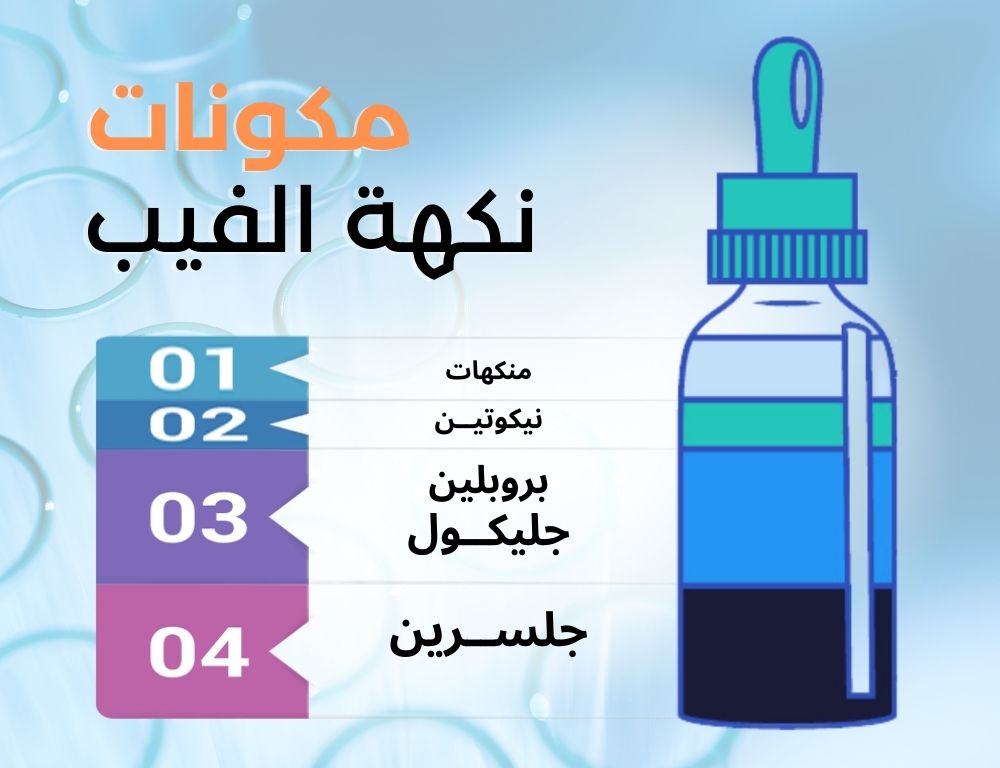
Vape Flavor Ingredients
There are many flavors of vape, which are determined by the taste and preference of the smoker, and you must have wondered one day about the ingredients of the flavor and what substances go into its composition, all of this you will find in the next flavor guide and what are the flavor alternatives and manufacturing secrets that many do not know.
Flavoring ingredients
Flavors are substances that are extracted from plants or in the form of a raw material from an animal source, many physical processes, enzyme separations and microbiological processes are applied to them, until they turn into a liquid flavor and are suitable for human use, and comply with health, safety and food conditions.
We’ll start by outlining the artificial and natural food flavor ingredients that go into vape and e-cigarette flavors as well as disposable e-liquids:
- Propylene glycol: This dual organic and synthetic compound, which has a sweet taste, contains a hydroxyl group and other solvents, and is used in artificial food flavors, takes the number E
- Glycerol: Also known as glycerin, glycerol has a sweet flavor, but is odorless and viscous.
- Nicotine: An organic compound with an alkaline base, the same substance found in traditional cigarette tobacco that we talked about in a previous article.
- Flavors with a variety of tastes.
Many studies and research have shown that vape smoke is less harmful than regular cigarette smoke to the individual smoker, but you should always know the nicotine content of the flavor, and it is always advisable to avoid high nicotine levels.
How flavors work in the human body
The natural flavors that humans taste go to the trigeminal nerve and then transmit nerve signals, which carry the type of flavor and distinctive taste, to the mouth, tongue and throat, to be recognized by the previous organs, and then stored in memory, and not only that, but those organs in the body retain the temperature of the flavor, whether it is hot or cold.
Flavors found in vape flavors are also used in foodstuffs
We call the flavors that go into foods and foods are those additives that we add to food and food products in order to accentuate the flavor, and in the grammatical plural we call them flavorings.
There are two types of flavors, either natural flavors obtained from fruits, vegetables, and herbs, or artificial flavors obtained by manufacturing and mixing several ingredients in chemical proportions to obtain artificial flavors.
The natural flavor in mint leaves can be weak and subtle, and some natural flavors have an unpleasant taste and we have to add some flavor enhancers that turn it into a palatable taste, knowing that the flavors do not change the other properties of the product.
Flavor enhancers are added to products as diverse as jams, packaged desserts, cheese, yogurts, sauces, chicken stock, and more. Some factories are replacing expensive flavors with flavor enhancers to save on costs, and monosodium glutamate (MSG) enhancer is added to improve the taste of broths (soups) and frozen meats such as burgers and sausages.
Not all products are free of flavor enhancers. Packaged spices have flavor enhancers added to them, especially harissa and black pepper, and salt is also considered an enhancer.
What Flavors Are in Chemistry
From a chemistry lab perspective, flavor is defined as a set of tastes that are consumed on the tongue or that can be distinguished by the sense of smell.
How do artificial flavors work?
The difficulty in producing artificial flavors that rival and surpass natural flavors lies in the complexities faced by chemists, because the formulas are so complex and intricate that they cannot be deciphered.
This makes it possible to produce a manufactured flavor that tastes similar but not identical to a natural flavor, and often carries a chemical called esters in which there is a single neurotransmitter or neurostimulant that has an odor or taste similar to a natural flavor.
The effect of e-cigarette flavors on smokers
Recent studies suggest that the flavors added to vapes, e-cigarettes and hookahs may be a factor in quitting regular smoking, which has an unpleasant and unpleasant odor, as opposed to desirable flavors.
In the same context, it is worth noting that teenage vape smokers are on the rise, which confirms that flavors attract these groups and make them not hesitate to smoke regular cigarettes, but flavors are still less toxic and less dangerous than regular tobacco.
But the development of concerns about the desirability of these flavors and their suitability for children as well, it is scary to find that children are attracted to them in a wrong and negative way, especially gum and candy flavors, and trying new flavors under the name of experimentation, so we must all abide by the laws of the State of Kuwait and not sell or trade these products among those under twenty-one years of age.
Here are some of the flavors we recommend
Here are some foreign sources you can check out on this topic
- https://www.dailyuw.com/ask_the_experts/what-are-the-advantages-of-vaping/article_79a7f344-70a3-11eb-8f01-8b6d9eed14fa.html
- https://www.nhs.uk/live-well/quit-smoking/using-e-cigarettes-to-stop-smoking/
- https://newseu.cgtn.com/news/2021-05-31/UK-hospitals-turn-to-e-cigarettes-in-fight-against-tobacco-10IefzMDFXG/index.html