
Vaping and Calories: How It Affects Your Weight – Everything You Need to Know
جدول المحتويات
ToggleDoes Vaping Have Calories? The Truth About Vaping and Weight
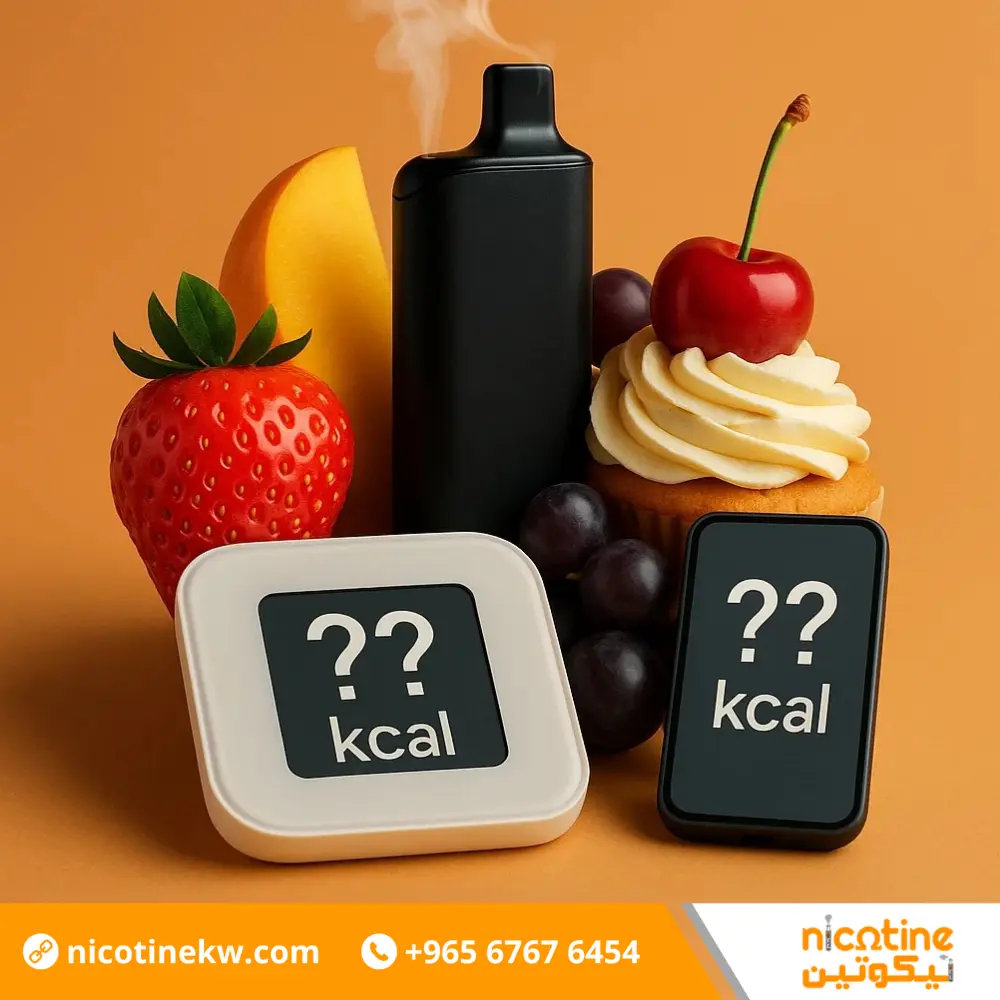
Many people turn to vaping as an alternative to smoking, but new questions have popped up: "Does vaping contain calories?" and "Can vaping make me gain or lose weight?" In this article, we’ll break it all down for you in a simple, clear, and comprehensive way.
What’s in Vape Flavors & Do They Have Calories?
Most e-liquids contain four main ingredients:
- Propylene Glycol (PG)
- Vegetable Glycerin (VG)
- Artificial Flavorings
- Nicotine (optional)
| Ingredient | Calories per Gram (Approximate) |
|---|---|
| Vegetable Glycerin (VG) | 4.32 |
| Propylene Glycol (PG) | 4.00 |
| Flavorings & Nicotine | ~0 |
Can Vaping Cause Weight Gain?
While vape juice has calories, their impact on weight gain is complex. Here’s a breakdown:
- Actual Caloric Intake: Even if you vape 1 ml daily, the calories inhaled are around 4—but since you’re not swallowing or digesting them, they likely don't count towards your daily intake.
- Sweet Flavors and Cravings: Dessert-flavored vapes may trigger sugar cravings. So after puffing a “cookie” flavor, you might feel the urge to snack on actual cookies.
- Psychological Substitution: Many people use vaping to replace other habits, including emotional eating or boredom snacking. In this case, it might indirectly prevent weight gain.
What’s Nicotine Got to Do with Weight?
Nicotine, a common ingredient in vape juice, is known to have several effects on the body that can influence weight:
- Suppresses Appetite: Nicotine is a known appetite suppressant, which can lead to eating less.
- Boosts Metabolism: It can temporarily increase your metabolic rate, causing you to burn more calories at rest.
- Causes Temporary Water Loss: It can act as a diuretic, leading to short-term water weight loss.
Is Vaping a Smart Way to Lose Weight?
No. While nicotine has properties that might lead to temporary weight loss, using vaping for this purpose is not a healthy or sustainable strategy. It can lead to addiction, sleep issues, and other health risks without providing any long-term weight management benefits.
Scientific Research on Vaping and Weight
- Harvard Health: Confirms the temporary effect of nicotine on appetite and metabolism but warns against using it for weight control.
- Journal of Obesity: Notes the psychological impact (e.g., replacing snacking) is more significant than any physical calorie-burning effect.
- CDC: Strongly advises against initiating nicotine use in any form for weight control due to its highly addictive nature and other health risks.
Comparison: Vaping vs. Smoking and Weight Impact
| Factor | Cigarettes | Vaping |
|---|---|---|
| Calories | 0 | Very Low (Negligible) |
| Contains Nicotine | Yes | Yes or No (Optional) |
| Appetite Suppression | Yes (Strong) | Yes (If nicotine is present) |
| Boosts Metabolism | Yes (Temporarily) | Yes (If nicotine is present) |
| Overall Weight Impact | Temporary / Minimal | Temporary / Minimal |
Healthy Alternatives for Weight Loss
Instead of relying on vaping, focus on proven, healthy methods for sustainable weight management:
- Eat a balanced diet rich in whole foods.
- Exercise regularly.
- Get enough quality sleep.
- Drink plenty of water.
- Manage stress through healthy coping mechanisms.
Frequently Asked Questions (FAQs)
Does vaping contain calories that cause weight gain?
Yes, e-liquid contains minimal calories from VG and PG, but they are not absorbed through inhalation in a way that significantly affects your body weight.
Can nicotine actually help me lose weight?
Temporarily, yes—by suppressing appetite and boosting metabolism. However, it's not a safe, effective, or lasting solution for weight loss.
Is it smart to use vaping to lose weight?
No, it's a risky strategy that is not sustainable and carries health risks, including nicotine addiction.
Why do people gain weight after quitting vaping?
This is primarily due to nicotine withdrawal. The appetite-suppressing effects of nicotine wear off, and metabolism may return to its normal rate, leading to an increase in hunger.
Do sweet vape flavors trigger hunger?
They might. The brain can associate the sweet taste with actual food, which may trigger cravings for sugary snacks in some individuals.
Final Thoughts
Vaping contains trace calories that have a negligible impact on body weight. While nicotine can temporarily suppress appetite, using vaping as a tool for weight loss is neither healthy nor effective. For sustainable results, always focus on proven methods like good nutrition, regular exercise, and a healthy lifestyle.

